Showing posts with label HealthCare. Show all posts

Tuesday, September 6, 2022

Dog Separation Anxiety: Does My Pooch Have It?

Going to your 9-5 job and getting home to a house full of mess can always be very frustrating. There are puddles of pee everywhere, scratches on the floor, a bite mark on the furniture, household items torn apart, and a lot more crazy situations you can expect from your dog. These are signs of dog separation anxiety.

But even with all this mess, you are greeted by an overly excited pup who is happy to meet you after a long day. It’s like the best feeling in the world, and that greeting seems to make up for everything. 

You get to work the next day, leaving a crying dog behind, and be greeted by the same scene when you get home. And no matter how much we love our pets, this kind of scenario can be stressful if it happens continuously. 

However, what you may not know is that you’re not the only one stressed out. What if your dog is also undergoing a lot of stress every time you leave, which is why he becomes so destructive? 

This type of behavior is what people would call separation anxiety. This is very common to a lot of dogs and is commonly triggered by small and drastic changes. It can also manifest in several ways, depending on the severity of the anxiety. 

Below, we share the most common symptoms in dogs with separation anxiety and how to know if your dog does have separation anxiety. 

Related article: Best Dog Toys for Separation Anxiety

anxious Chihuahua puppy looking at camera

Dog Separation Anxiety: Common Signs

As the name implies, dog separation anxiety is always associated with your dog’s behavior every time he’s separated from you. It’s either his behavior when he sees you about to leave, his conduct while left alone, or his behavior when you got home. 

The symptoms can also range from mild to severe. It also varies from one dog to another. Dog owners need to detect dog separation anxiety when it’s not yet at dangerous levels. Here are some of the most common symptoms to watch out for: 

Urinating or Defecating in the House

When dogs get stressed, most of them can no longer control the urge to pee or poop. So, if you get home with puddles of pee or traces of poop around your home, this could already be a sign that your pooch is suffering from dog separation anxiety. 

However, you can’t immediately conclude this as there are other reasons why your dog is urinating or defecating in the house. It can also result from inadequate house training, not enough potty breaks, medical problems, or aging. 

So, before you assume that your dog urinates or defecates, try to observe first. If your dog just does this whenever you leave, then it’s most probably dog separation anxiety. But if he does this, even if you’re around, there might be a much bigger underlying problem that you must find. 

Excessive Barking, Howling, or Whining

If you get a call from a neighbor about how noisy your dog is whenever you’re not around, then it could be because of dog separation anxiety. 

A dog howls, barks, or cries whenever he wants your attention, he’s in pain, he’s bored, or he’s stressed, and these are what he usually feels whenever you’re not around. For them, they will bark, howl, and cry, hoping that you’d come back. 

Sometimes, this even happens when you just disappear right in front of their eyes. So if you’re home and you hear them whine, try to pay close attention to what kind of cry they’re making. If you think it’s because you got separated from them, don’t entertain it if possible to not make your dog think that he can get what he wants if he just cries. 

Destructive Behaviors

We’ve probably seen a lot of videos on social media of how an owner gets home and finds a lot of household items torn up. Well, this is exactly what destructive behaviors mean. 

Destructive behaviors can range from mild, like simple chewing, to destruction. And when it’s a separation anxiety-related destruction, these are some behaviors you can observe: 

  • Chewing on furniture, carpet, and other things they can see in the house. 
  • Chewing on personal items like your shoes, pillows, etc. 
  • Chewing or destroying your doors, windows, or window sills. 

However, although dog separation anxiety is the primary reason why this happens, there are other possible reasons too. This includes boredom, health problems, general anxiety, stress, hunger, and teething (for puppies). 

So, again, it’s best if you consult with a veterinarian who might be able to point out why your dog is behaving this way. 

Trying to Escape

Another noticeable sign of dog separation anxiety is when they try to escape. Sometimes, due to loneliness, fear, and boredom, they’ll try to get out of the house to find you or somebody else to play with. 

This causes them to scratch the floor at the main door or climb on window sills to find a way out, and this behavior can be hazardous for them. They can get injured trying to climb up to windows, they’ll hurt their paws, and many other accidents can happen. 

To prevent this, it’s best to leave your dog with something that will entertain him while you’re not around. Perhaps some treats to find or toys to play with so he doesn’t get bored and attempts to escape. 

Pacing

Although the pacing is usually associated with your dog’s boredom or excessive energy he needs to expel, this behavior can also be associated with stress, pain, anxiety, and separation anxiety. 

Dog separation anxiety can be observed if your furry friend is pacing back and forth or walking in circles whenever he sees that you’re about to leave already. Sometimes, this happens even after you have left. For mild cases, pacing can be just brief, and your dog will stop. However, in severe cases, the dog might appear panicked, running from one exit to another. 

Now, since pacing can also be associated with having a medical condition, it’s still always best to consult a veterinarian to determine if your dog really has separation anxiety. It also helps to determine if your dog has a mild or severe case of anxiety. 

Excessive Salivation and Panting

Some dogs experience excessive salivation accompanied by panting whenever they’re left alone. This is usually brought about by stress and is common to dogs usually left in their crates. 

So, when you get home, try to observe if your dog has excessive drooling. If he is, then perhaps it’s time to take him to the vet to know the exact reason why and so you can also get to rule out possible medical conditions. 

Does My Pooch Really Have Dog Separation Anxiety?

Each of the symptoms above can be seen in dogs, regardless if they have dog separation anxiety or not. So, how can you pinpoint whether your dog does have separation anxiety? 

To determine whether your dog has separation anxiety, you need to observe his actions. But how can you do this if you’re not around? Easy, you need the help of monitoring cameras or CCTV. 

Get a pet monitoring system that comes with a wide angle. Then, install this in an area where your dog usually is. You should also make sure that the camera is in an area that your dog can’t reach. 

When that’s done, time to observe your dog. Here’s what you should observe: 

  • How much time passed before your dog started showing signs of separation anxiety? This will be able to help you know how long it takes for your dog to become anxious. It might also tell you the severity of the anxiety and what actions you need to do. 
  • What symptoms does your dog show, and how long does this last? For example, if your dog exhibits howling or barking, how long before he stops? If they’re pacing, is it nonstop, or are they taking breaks? These will also help you determine the severity of the case. 
  • Where does your dog mainly focuses on his behavior? Is it at the doorway? Are they prone to just looking out the window waiting for you to come back? Is it on the household items and destroying them? 
  • Lastly, watch your dog every day and ask yourself if your dog is exhibiting these symptoms every day. 

Write your observations down on a piece of paper and show this to the vet on your next visit. He’ll be able to assess how severe your dog’s anxiety is and how to treat it best. Below, we also share some things other dog owners do to help their dogs cope with separation anxiety. 

Related article: How Do You Help A Dog With Separation Anxiety?
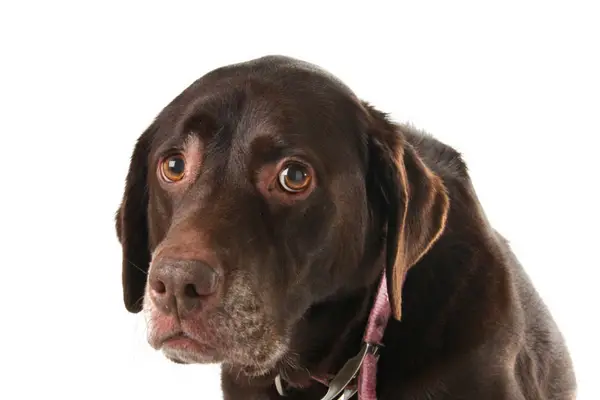
sad dog looking for food

How to Treat Dog Separation Anxiety

1) Build Your Dog’s Tolerance for Alone Time

Teach your dog to become independent by building his tolerance for alone time. In other words, don’t let him come near you all the time. 

As much as we love bonding with our pets every time we’re at home, this just makes them clingy. Hence, dog separation anxiety occurs when they can't see us anymore. 

So, when you’re at home, take him to a room. Pet him and calmly talk to him, but don’t mention anything about leaving as this will only make your dog anxious. After that, leave the room and close the door behind you. 

Expect your dog to cry as he sees that you’re not with him anymore. However, don’t go back immediately. Try to observe how long it took before your dog started crying. Then, once he does, wait until he calms down or just wait for 5 minutes before you come back. 

If your dog has a severe case of anxiety, don’t let it pass one minute before coming back. You can also leave some treats, and some toys behind that can entertain him, and remove any objects he can destroy. 

It’s recommended to do this only once a day and gradually increase the amount of time you leave your dog in the room. 

2) Prevent Your Dog From Following You Around

It’s cute when your dog starts following you wherever you go once you’re home. However, letting him do this will only teach him to become dependent on you. So, train him to stay whenever he’s following you. 

You can also place some baby gates in areas where your dog is not allowed. This will give him some limitations on where he can and cannot go. Giving him a space of his own, his own bed, and a treat dispenser where he can get his own food will teach him that he can go on with a day even without you. 

3) Change Your Going Away Signals

Dogs quickly get familiar with your actions, particularly when you’re about to leave. They understand that getting your keys, holding your purse, or wearing a coat is already a sign of leaving, and it makes them anxious. To reduce dog separation anxiety, don’t be afraid to change your routine!

So, it’s essential to change these going away signals. Maybe you can wear your coat even if you’re not leaving. You can grab your keys and sit on the couch for a moment. You can also go out in the back door for a change or place your purse in a different spot. 

4) Be Calm When Arriving or Leaving Your Dog

Next, don’t be too overly dramatic when saying your goodbyes and hellos. This is one of the most common mistakes most dog owners make, and it’s time to change that. 

When you’re too overly dramatic, you’re only triggering fear and anxiety. It makes your dog think that you’re scared about leaving them and will make them feel fearful, too. The same thing happens when you act as if you miss them so much when you return home. 

https://www.youtube.com/watch?v=-aW1pfEtlPw

5) Take Your Dog Out For Exercise

A tired dog is a calm dog, so take advantage of this fact. Take your dog out for an exercise before you leave. This will help him expel any excess energy so that he’s only more focused on eating or napping by the time he gets home. It’s the perfect distraction, so he won’t think about you leaving. Dog separation anxiety may likely be reduced through an hour of running around outside.

6) Feed Your Dog Before Leaving

Aside from taking your dog out for exercise, you should also feed your dog before leaving, as this helps him become more satisfied and relaxed. On top of that, get some treat-dispensing devices, too, so your dog can feed himself whenever you’re not around. You can hide some treats for your dog to find, too, to keep him entertained for hours. 

7) Leave Some Toys

There are dog toys designed to help with dog separation anxiety, and it’s probably best to get your dog one. Make sure that the toy you get would be able to address what your dog needs. For example, if your dog needs some company, you can get a snuggle toy with a heartbeat simulator. If you want to keep your dog distracted, you can buy some puzzle toys. 

8) Seek The Help of A Professional

Lastly, and certainly not least, ask for the help of a professional if the dog separation anxiety becomes a serious issue. A vet will always be the right person to tell the severity of your dog’s anxiety or if he even has one. He can also recommend the best practices you can do at home and even prescribe some calming aids for your dog to take. 

Conclusion

Dog separation anxiety is very common, and it’s about time that it’s taken very seriously. By knowing what symptoms to watch out for, you’ll be able to know when to take your dog to the vet for a check-up. 

Your goal here is not to wait until the anxiety reaches dangerous levels. The tips above will also help you support your dog so he can get over his anxiety. But, let me tell you, it will take a lot of time and effort from you.

https://www.furryfriendsgear.com/dog-separation-anxiety/?feed_id=316&_unique_id=63178d472fe9b
How Do You Stop Separation Anxiety in Dogs?

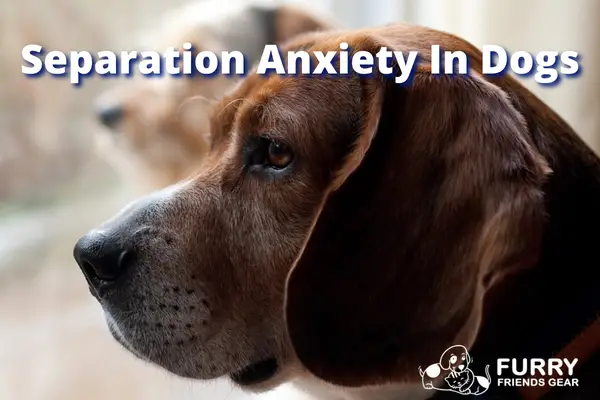
Your dog is whining or crying as you prepare to leave; an overly excited dog greeting you with a messy home right behind him; scratches on the floor and some bite marks on the windowsill, too; your dog won’t stop following you from one room to another; finally, you get a call from your neighbor complaining about how your dog is barking non-stop while you’re away. Do you find yourself asking, “How do you stop separation anxiety in dogs?”

Well, you’re not alone. If you are familiar with at least one or all of these scenarios, then your dog might be experiencing separation anxiety. If you’re not familiar with this, it’s when your dog starts showing signs of stress every time you leave. 

Separation anxiety can range from mild to severe, and it’s definitely something that you shouldn’t take lightly. If not attended to, your dog might never be able to cope with it, and it can cause a lot of stress for you and your neighbors, too. 

Fortunately, there are lots of ways that you can help your dog cope with separation anxiety, and this is exactly what we’re going to share with you below. 

Separation Anxiety In Dogs: Tips For Stopping It

As dog owners, it’s important to help your dog cope with separation anxiety. This is definitely something that isn’t easy to treat. It will require lots of your time, patience, and effort. 

Below, we enumerate some tips on how you can handle separation anxiety in dogs. As these tips will help your dog better cope with his anxiety, it also helps in preventing young puppies from acquiring this: 

1) Build Your Dog’s Tolerance for Alone Time

One way to reduce separation anxiety in dogs is by building up your dog’s tolerance for alone time. This way, he learns to be independent and not get stressed out every time he’s left alone. You need to teach your dog not to come near you all the time. 

Here’s how you can do this: 

  • Take your dog to a room and spend some time with him. It’s alright even if it’s not long. 
  • Pet your dog while in the room and speak to him softly before leaving him.
  • Leave the room and close the door behind you so your dog won’t follow you. 
  • After that, wait and observe what your dog will do. 

If this is the first time you’re doing this, there’s a big possibility your dog will really cry. He might even get wild. If this happens, just let him. Remove any items inside the room that might get broken if your dog runs wild inside. 

If you don’t want to feel bad, you can leave some toys or treats for your dog inside, too. This will help keep them entertained while you’re away. Separation anxiety in dogs can be alleviated through consistent affirmation.

It’s recommended to do this only once a day so as not to increase your dog’s stress. The time you leave should also be gradually increasing every day until your dog gets used to it. 

2) Don’t Let Your Dog Follow You Around When At Home

Another way that separation anxiety in dogs is displayed is when your dog follows you around the house. This is because he’s scared that you’ll be gone again. Though this looks very cute, a clingy attitude isn’t something that you should tolerate. 

There are three methods that you can do to stop your dog from following you wherever you go: 

Creating a Routine: The first thing you can do is create a new routine for your dog. For example, you can extend playtime or exercise time so your dog can expel all the excess energy. If this happens, he’ll spend a lot of time napping instead of following you around the rest of the day. 

You can also buy some food puzzle toys for your dog so you can spread some treats around the house for your dog to find. It will keep him entertained throughout the day. On top of that, he’ll know that he doesn’t need you to be there for him to find something to eat. 

Another thing some dog owners do is set a specific time schedule for when they’ll give their dog attention. You can schedule about an hour or two hours of playtime during the day and another at night. Then, hours after that, leave him alone. 

If you love cuddling with your dog, stop doing that, too. Get him a bed of his own. You can also utilize baby gates to prevent your dog from entering rooms where you usually enjoy some me-time. 

Teach your dog to “stay”: Another method used by other dog owners is teaching their dog to “stay” whenever he’s following you. 

Every time he follows you, the trick is to stop, turn around, and tell them to stay. Make sure you’re firm here as you don’t want this to appear like playtime. You can also use your hand as a signal while you’re saying the command. 

When your dog stays put, don’t forget to reward him. It’s good if you have some treats in your pocket ready, but if you don’t, some verbal praise will do. 

Do this a couple of times a day, every day, until your dog finally gets that you’re doing this because you need some space from him. Eventually, he’ll find something fun to do himself. 

Give him his own space: One of the reasons your dog follows you around is because he thinks that the whole house is his territory. However, if you make it clear where he’s allowed and where he’s not, he might end up not following you in the no-dog zone areas. 

Regardless of which method you follow, make sure you do this consistently. You should also be very patient as this might take weeks to months before you get rid of the clinginess in your pet. 

separation anxiety in dogs

3) Change Your Going Away Signals

The next thing you can do to stop separation anxiety in dogs is to change your going away signals. These are the common things you do before you leave. 

Dogs are very observant, especially when it comes to their humans. They know even the tiniest detail about you, and that includes your going away signals. You may not notice that you have a routine, but your dog surely does. And once they see this, they already start panicking. 

Separation anxiety in dogs increases because they learn your exit behaviors. To decrease your dog’s stress because you’re leaving, don’t leave any hints. 

For example, if you tend to wear your coat, say goodbye, then walk out the door, it’s already printed in your dog’s mind that you’re leaving every time you do that. So, next time, try to wear your coat but don’t leave yet. This will get your dog thinking that maybe you wearing a coat isn’t a signal that you’re leaving after all. 

You can also try leaving your purse and keys in different locations every day, so your dog doesn’t get familiar with them. If you tend to go out through the main door, try the back door once. You can even do these going away signals even if you’re not leaving. You can grab your car keys but sit on a sofa after. 

Doing even the slightest change in your routine before you leave will help lessen your dog’s stress. It also helps him disassociate those actions as signals. So that the next time he sees you grabbing those keys, it’s either you’re leaving, or you’re not, instead of just being sure that you’re really going.  

4) Be Calm When Arriving or Leaving Your Dog

Another crucial part of reducing separation anxiety in dogs is being calm before leaving your dog, and once you get back home. Because as we all know, we dog owners tend to be overly dramatic when saying our goodbyes and hellos. It’s like our way of showing them how much we love them. 

However, we may not be aware that these greetings will stir up some negative emotions inside them. It will let them feel more afraid of being alone. This is because they think you are nervous about leaving them, too, making them anxious. 

This is the same thing as when you arrive and excitedly greet them. Yes, it tells them you’ve missed them so much, but it’s also not helping him recover from the anxiety. 

So, instead of being too overly emotional, stay calm about everything. Don’t make a big deal about saying goodbyes. You can distract him for a while and just leave. Don’t greet an overly excited dog immediately, too; instead, wait until your dog stays put before petting him and giving him a treat. 

5) Take Your Dog Out For An Exercise

Like they always say, a tired dog is a behaved and calm dog. Separation anxiety in dogs can be severely reduced with proper exercise.

You can take your dog out for a walk or exercise until he’ll be able to expel all his energy. This way, by the time he gets back home, his priority is eating or sleeping. So, by the time you leave, he’s already distracted and might not even notice you leaving. 

Aside from the fact that this calms him down and helps your dog cope with separation anxiety, exercise, in general, offers lots of benefits for your dog. 

Related article: How Do You Help A Dog With Separation Anxiety At Night?

6) Feed Your Dog Before Leaving

Aside from exercise, you shouldn’t forget to feed your dog before leaving. This makes him content and relaxed, which might even make him take a nap. Separation anxiety in dogs may be reduced if they get fed.

On top of feeding him, don’t forget to leave some treats for him, too. You can buy some treat dispensing toys that can feed your dog and entertain him, too. You can also leave treats all around the house to give your dog something to look forward to every time he’s alone. 

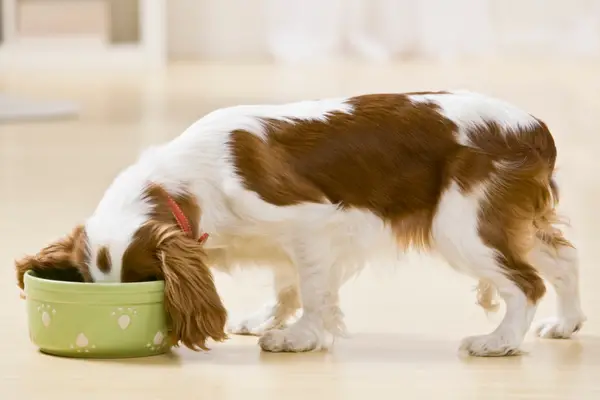
puppy eating out of light green food bowl

7) Leave Some Toys

A great way to reduce separation anxiety in dogs is by leaving some toys for your dog. If your dog loves some particular toys, make sure to leave them in an area where he can find them easily. These toys are what will keep him company while you’re not home. 

There are also some specific behavioral toys available in the market that you can buy for your dog. Each toy will help solve a specific problem, so it’s probably best to really do some research first on what kind of toy to get. 

8) Hire a Dog Walker

Dog walkers help to limit separation anxiety in dogs. This is most especially important if you’re going out for a few days trip. You can get your neighbor, a family member, or a friend. 

Just remember that when hiring a dog walker, you should hire someone that you and your dog can trust. Because it really won’t ease your dog’s anxiety if you leave him with someone he’s not comfortable with. 

9) Seek Professional Help

If all else fails when stopping separation anxiety in dogs, seek professional help. Regardless if you think your dog has a mild or severe case of separation anxiety, taking him to the vet is always necessary. 

Separation anxiety in dogs is not simple, and it’s not very easy to treat. Triggers and symptoms vary from one dog to another, so what your dog needs may vary, too. Other than that, there’s also this possibility that your dog doesn’t even have one. 

With the help of a professional, you’ll be able to determine what’s wrong and what kind of treatment is needed. They can even prescribe your dog some medicine or calming aids to help your dog cope with the anxiety easier. 

https://www.youtube.com/watch?v=rvklwR7SOxY

Conclusion

Separation anxiety in dogs should never be taken lightly. As dog owners, it’s your goal to ensure that your dog’s anxiety level doesn’t reach a dangerous state. Pay attention to what your dog needs. 

If you’re a dog owner who's just adopted a dog that’s been left alone before, the trauma is already there. So make sure to shower them with lots of love and show them that no matter what happens, you’re not going to leave him for real.

https://www.furryfriendsgear.com/separation-anxiety-in-dogs/?feed_id=311&_unique_id=63176c517aa4f

Monday, September 5, 2022

How Do You Help A Dog With Separation Anxiety At Night?

It’s late at night, and your dog wouldn’t stop barking, crying, or howling. He has been busy scratching your bedroom door, trying to get in. This can be very frustrating because it could wake you up at night. It can also begin to frustrate your neighbors.

However, what you may think of as just simple bad behavior, is already what we call night separation anxiety. But how do you help a dog with separation anxiety at night?

Below, we share what separation anxiety is, what symptoms to watch out for, what causes it, and, most importantly, how should you help your dog that experiences it. 

What Is Night Separation Anxiety? 

The goal of this article is to answer "How do you help a dog with separation anxiety at night?" Separation anxiety is something your dog usually experiences whenever there are changes in the household or if he’s left alone. Although your dog may experience this during the day when you’re away, some dogs experience what we call night separation anxiety. 

Like separation anxiety, night separation anxiety is triggered by big changes like you not being by his side as well as the darkness that comes with the night. 

how do you help a dog with separation anxiety at night

Symptoms of Night Separation Anxiety

If you’re wondering “How do you help a dog with separation anxiety at night?”, know that dogs show separation anxiety at night in different ways. Here are some of the ways your dog shows you that they’re stressed:

Trying to Get In Your Room 

The most obvious sign your dog is distressed is when they try to enter your room. He will scratch your door or floor (like digging) in attempts to come in. This is one of their ways to show that he needs to be with you and that he would want to sleep near you. 

Whining or Panting

Another way your dog will show he’s stressed is when he starts whining or panting. Worse, your dog may even start to bark or howl, which will not only disrupt your sleep but may affect your neighbor’s sleep as well. 

Pacing Through the House

Another way your dog shows you he’s stressed is when they start pacing. Your dog would either pace throughout the whole house, back and forth in one place, or even in circles. This can be very bothersome to watch, but your dog might do this the whole night if they don’t calm down. 

Urinating or Defecating

How do you help a dog with separation anxiety at night, especially if they are urinating or defecating in the house? If your dog is housetrained and starts doing this, it can already be a symptom of separation anxiety. However, some dogs do this due to medical conditions, so it’s still best to visit the vet to ensure this behavior is related to some night problems and not health complications.

Destructive Behaviors

Next, you might also wake up to a house full of mess. Your dog will try to chew or bite any household item they see. Your dog may also try to chew on windowsills, scratch the furniture, or get into the trash can. Your dog is capable of a lot of destructive behavior, so you should address the issue immediately once you observe this. 

Biting Tail

How do you help a dog with separation anxiety at night if they are biting its tail? One thing that you don’t want to happen to your dog is when they start hurting itself. This means scratching their face or biting their tail. If this happens, you need to take your dog to the vet.

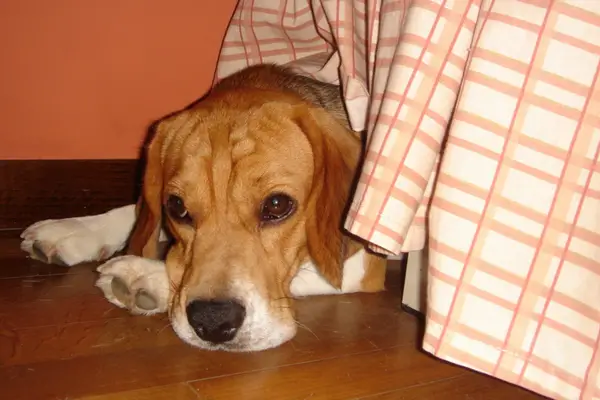
scared beagle hiding under a table

Related article: Best Dog Toys for Separation Anxiety

How Do You Help A Dog With Separation Anxiety At Night? Some Of The Causes:

You might be wondering how your dog would experience this at night because you’re home. Well, several situations will trigger your dog’s separation anxiety at night: 

Being Separated From You

The number one cause of night separation anxiety or just separation anxiety, in general, is when your dog gets separated from you regardless if it’s abrupt or not. 

Think about it; if we get a puppy, we usually allow them to sleep with us at night. However, as they grow bigger (especially if you get the bigger breeds), they may no longer fit in your bed. So you have to provide them with their beds and let them sleep outside your room. 

However, most of the time, this change of not sleeping with you can trigger separation anxiety. Your dog will not immediately understand why they need to be separated from you. He already grew dependent on you and being alone can be really scary. 

Aging

Another thing to be aware of when you ask yourself “How do you help a dog with separation anxiety at night?” is to understand that the cause of separation anxiety may be due to aging. As your dog grows older, he may experience some psychological changes. His vision may start to become blurry, and his hearing may not be as sharp as before. This change can gravely affect your dog’s sleep, which causes anxiety and stress. 

Lack of Activity

We always say that a tired dog is a calm dog. Exercising your dog during the day will significantly help him get better sleep at night. How do you help a dog with separation anxiety at night if they are not tired?

Give your dog time to exercise during the time. He should be able to exhaust as much energy as he can. If your dog will not be able to do this, he may become restless, and he will find it hard to get some sleep at night because he wasn’t able to expel all that energy. 

https://www.youtube.com/watch?v=BmVSLqCh-RI

Changes in the Schedule

Changes in your dog’s schedule can also trigger separation anxiety. For example, if your dog is used to being exercised, and if you suddenly stopped letting them run around throughout the day, he will not be able to sleep. Another example is you always play with him before bed, but suddenly you didn’t do that, and you just went to sleep. 

You see, dogs can be very particular about these tiny details. It’s already something that they’re expecting to happen and even the smallest changes are very troublesome. 

Moving to a New Home

Any type of change can trigger separation anxiety, including moving to a new home. 

You might have experienced this, too. You visit a new place; it’s a new environment, a new view, a new scene, etc. Everything is just so different that you feel so uncomfortable you can’t really sleep the first day. 

This is almost similar to what your dog would feel when you move to a new home. Their favorite spot or view may no longer be there, and this makes them so uncomfortable. He is no longer familiar with the house because everything is different. 

So, if you need to move to a new place, you must bring along something your dog loves. This way, there is always something your dog is familiar with. 

Losing Someone or Another Pet He Loves

Humans aren’t the only species that grieve when someone they love is gone. Dogs do that, too. 

Again, dogs react to any particular changes regardless if it's changes in the routine, environment, or the persons around them. If someone very close to him is gone, he will feel sad about himself, making it hard for him to sleep at night. 

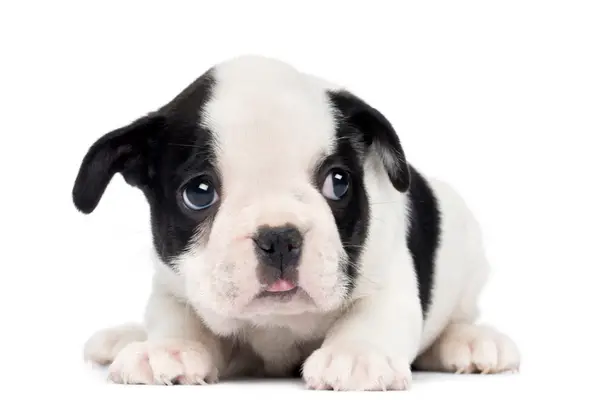
nervous french bulldog puppy

Calming Bedtime Routines You Can Follow

How do you help a dog with separation anxiety at night with calming bedtime routines? Below are some bedtime routines you can follow to help your dog get some good night's sleep: 

Exercise

The very first thing you should do is let your dog get some exercise. As mentioned earlier, a tired dog is usually calm, so you need to find a way to help your dog spend all of his energy during the day. 

At the same time, exercise undeniably offers more benefits to your dog’s overall health, so it’s important to take this activity seriously. 

Give Them a Treat

Treats are something dogs always love! Your dog getting one before bedtime will give him something to look forward to. It’s also a great way to help your dog calm down during bedtime if they want to get their treat. If this becomes a routine, your dog will start associating the treat as a signal for him to sleep. 

Related article: How Do You Help A Dog With Separation Anxiety?

Provide Them A Comfy Place To Sleep

An exercise and a treat won’t give your dog a relaxing sleep if he doesn’t have a comfy spot. Dogs and most pets, in general, usually choose one spot to sleep in every night. 

Try to find where this is and make it comfier and cozier for your furry friend. Your dog should be able to lie down comfortably on the bed. It should be soft, and clean, and doesn’t give off a strong scent so your dog can sleep peacefully at night. 

Give Them A Toy

Another way to answer “How do you help a dog with separation anxiety at night?” is to give your pup a toy! Just like with children, some dogs love having a toy with them in bed. It’s like your substitute. Something that makes them feel that they’re not alone. 

As much as possible, this toy shouldn’t be the interactive kind that gives off a sound or something he can tug. You can opt for plushies that are soft and cuddly that are really perfect for bedtime. 

Get Some Calming Scents

You can also spread some perfume of calming essential oils on your dog’s bed to help him become more relaxed. It helps eliminate any kind of anxiety your dog is feeling so he can have a better sleep. 

Spend Some Time With Them

Finally, make sure to bond your dog before bed. This is different from playtime. It’s like a quiet time that you usually do for a little baby to help them doze off. Try to pet your dog to remind him how good he is the whole day and that he should just sleep tight. 

https://www.youtube.com/watch?v=l8zzsl0O3f0&t=349s

Other Things You Can Do To Treat Separation Anxiety

Creating a bedtime routine will help your dog sleep well at night. But, there are more things outside that would greatly help with your dog’s night separation anxiety: 

Don’t React Every Time Your Dog Frets

To be with you, your dog will whine and try to get your attention every time. If this happens, don’t react. Leave him be until he calms down. This will help your dog feel that you won’t do what he wants, even if he whimpers. At the same time, this can help your dog become more independent. 

Distance Training

Next, don’t let your dog get used to being with you all the time. 

If you wish to no longer sleep with your dog, the best thing you can do is do distance training. This means giving your dog a chance to be alone for a few minutes in a room. If your dog frets, don’t go inside the room immediately. Instead, wait for him to calm down. 

You can also just start with a few seconds and then come back immediately even if your dog doesn’t stop crying. However, it’s important not to act as if you missed him so much already as it will let him think that you don’t want to be away from him, too. 

Do this at least once a day and by increasing the time gradually. 

Don’t Make Going To Bed a Big Deal

You should also make sure not to make going to bed a big deal. Don’t hug your dog so much like you’re going to miss him even if you’re only going to your room. This will only trigger fear, which will cause your dog’s anxiety. 

Stick To Playtime and Routines

If your dog has a routine he’s following, like the one above, stick with it. Remember, any changes can trigger your dog’s anxiety, and that includes changes in his schedule. 

Calming Aids

Lastly, you can take your dog to a vet and probably get prescribed calming aids. Providing calming aids will help in the first few weeks while you’re still letting your dog fight off separation anxiety. However, it’s not recommended to rely on this. 

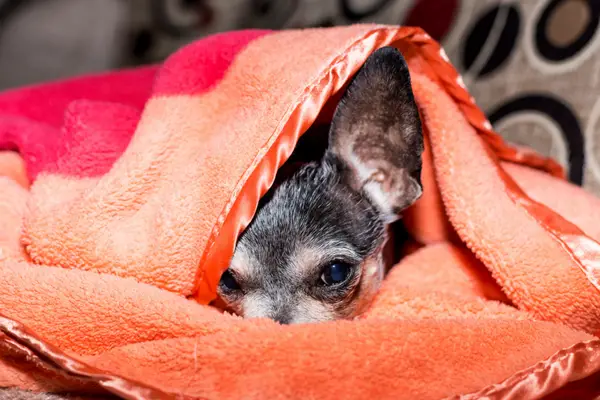
sad dog under blanket

Conclusion

We hope we answered “How do you help a dog with separation anxiety at night?” for you! Night separation anxiety can be a very big deal if it’s not taken care of immediately. Lack of sleep can significantly affect your dog’s health, and your relationship with your neighbors can also get affected if your dog continues to make noise. 

The routine we showed above will greatly help with this problem. But, since every dog is different, you can also create your dog’s bedtime routine.

https://www.furryfriendsgear.com/how-do-you-help-a-dog-with-separation-anxiety-at-night/?feed_id=306&_unique_id=63164216758e2

Thursday, September 1, 2022

Best Dog Surgical Onesie For Post-Op Recovery

Picture this:

Your precious little pooch walks out of a back room in the vet’s office and into the lobby after her surgery. She’s definitely missing the spring in her step, but her eyes light up the moment she sees you for the first time.

Even better, her tail begins wagging a mile a minute now that she has you in her sights.

You’re so happy to see her! And a big smile lights up your face as soon as you notice the gigantic plastic cone around her neck. She looks so adorably ridiculous that it’s hard to contain your mirth. 

But all isn’t happy and carefree. Before long, you notice your furry little friend pawing at the Elizabethan collar. It’s obviously causing her real grief and serious discomfort.

Is there anything you can do to help ease her suffering?

You betcha!

The answer is simple. Your best bet is to ditch the ridiculously large and uncomfortable plastic cone for the best dog surgical onesie for post-op recovery.

You didn’t know they made post-surgery onesies for dogs? They sure do. And they’re a far cry from the annoying plastic cone that causes unnecessary distress to so many dogs after surgery.

Does this sound like your pooch?

Take a moment to keep reading if you’d like to help your dog feel more comfortable during their time of recovery. 

Read my handy product guide below and learn about five incredible products based on the critical categories best used to determine the finest post-op onesies for dogs.

Best Dog Surgical Onesie For Post-Op Recovery: Our Top 5 Picks

Related article: Do Dog Sweaters Really Work?

Related article: How To Measure Small Dog For Sweater, Complete Guide

Related article: Should Dogs Wear Sweaters?

Buying Guide To Selecting The Best Dog Surgical Onesie for Post-Op Recovery:

You visited this page for a reason, right?

Maybe your favorite pooch recently had to undergo surgery. And after trying the gigantic plastic cone, you see how uncomfortable your furry little guy is.

Whatever your reasoning, you realize it’s time to pick up the best dog surgical onesie for post-op recovery. Without it, your pup is going to suffer needlessly and because you’re a compassionate dog owner, you aren’t willing to put them through the unnecessary trauma.

How do you choose the best dog surgical onesie for post-op recovery?

The process doesn’t need to be extremely difficult. In fact, you can follow my advice by choosing one of the products that I reviewed above.

Or…

You can perform your own research. I chose 5 specific factors that I used to evaluate these products. My factors include:

  • Comfort and Safety
  • Maximum Protection
  • Easy Fit
  • Air Circulation
  • Design

Why did I evaluate based on these specific categories? Keep reading to learn the reasons why I chose these areas to focus on.

https://www.youtube.com/watch?v=rb7znuqI5mA

Comfort and Safety

Choosing the best dog surgical onesie for post-op recovery based on comfort and safety is critically important in my opinion.

Why do I feel this way?

First off, you obviously want your dog to wear a onesie that he or she finds comfortable. Otherwise, it will be pawing, scratching, and biting at the material all the time because your pup is in distress.

Nobody wants that. Especially your dog. And you’ll feel horrible seeing your favorite pooch in such a stressed-out state.

What about safety?

This area is equally important.

The onesie must protect your pup and keep it safe. Otherwise, it may scratch or bite at its abdominal wound, and this could lead to infection, accidentally pulling out stitches or a potentially worse fate.

On the other hand:

A safe post-op onesie means your dog will heal quicker, reduce the risk of infection, and their surgical wound will remain protected at all times.

Definitely keep comfort and safety in mind whenever you shop online for a post-op recovery dog onesie.

How The Best Dog Surgical Onesie For Post-Op Recovery Compare In The Comfort and Safety Category:

[product_rating_begin][product_rating_bar product_name="FOREYY Onesie" score="98" highlight="N"][product_rating_bar product_name="SurgiSnuggly" score="96" highlight="N"][product_rating_bar product_name="Suitical Recovery Suit For Dogs" score="94" highlight="N"][product_rating_bar product_name="MAXX Dog Recovery Suit" score="90" highlight="N"][product_rating_bar product_name="After Surgery Wear by Vet Med Wear" score="88" highlight="N"][product_rating_table_end]

Maximum Protection

Isn’t this category the same as safety?

On the surface, it seems to be true. But by maximum protection, I mean choosing the best dog surgical onesie for post-op recovery that will cover the entire area that needs to remain safe.

As you’ll learn throughout your research, some onesies do not provide maximum protection. 

They only cover a small portion of the wounded area, which can lead to excessive licking, biting, scratching, and other things that you’d rather avoid in order to keep your pup safe and properly healing from his or her surgery.

More than likely, when you read product descriptions, the best ones will differentiate themselves from the others. They will focus on telling you how well their product protects wounds and abdominal sutures.

Pay close attention to this category. It could mean the difference between your dog healing quickly, and your dog struggling to get better or possibly developing an infection.

You’d obviously rather avoid unneeded trouble like the plague, right? So, make sure you choose a dog recovery onesie that delivers maximum protection at all times.

How The Best Dog Surgical Onesie For Post-Op Recovery Compare In The Maximum Protection Category:

[product_rating_begin][product_rating_bar product_name="Suitical Recovery Suit For Dogs" score="94" highlight="N"][product_rating_bar product_name="MAXX Dog Recovery Suit" score="94" highlight="N"][product_rating_bar product_name="FOREYY Onesie" score="91" highlight="N"][product_rating_bar product_name="SurgiSnuggly" score="90" highlight="N"][product_rating_bar product_name="After Surgery Wear by Vet Med Wear" score="80" highlight="N"][product_rating_table_end]

Easy Fit

Another area to consider when choosing the best dog surgical onesie for post-op recovery is how easily the onesie will fit.

This all comes down to common sense, you know?

Do you want to struggle to put a tight onesie on your dog? Absolutely not!

Do you want a onesie that is so difficult to put on that your dog attempts to bite you whenever you go near him or her? That would be horrible!

Well, this is why you might want to consider if the onesie is going to be an easy fit or not.

The best way to find out how well after-surgery wear fits is to go online to your favorite online retailers and read customer reviews.

Why?

It should be obvious, but previous customers already know if a particular product is an easy fit or not. They’ve already been there and done that.

They can tell you if the material is too tight, or too loose if the neck hole is too small, or the paw holes are too small or too big, or anything else that you may not have even thought about.

Obviously, one person’s experience isn’t necessarily going to be the same as your experience. But gathering this information will help you zero in on whether or not a particular post-surgery shirt is an easy fit or not.

How The Best Dog Surgical Onesie For Post-Op Recovery Compare In The Easy Fit Category:

[product_rating_begin][product_rating_bar product_name="FOREYY Onesie" score="93" highlight="N"][product_rating_bar product_name="SurgiSnuggly" score="90" highlight="N"][product_rating_bar product_name="After Surgery Wear by Vet Med Wear" score="90" highlight="N"][product_rating_bar product_name="Suitical Recovery Suit For Dogs" score="88" highlight="N"][product_rating_bar product_name="MAXX Dog Recovery Suit" score="85" highlight="N"][product_rating_table_end]
Best Dog Surgical Onesie For Post-Op Recovery

Air Circulation

Did you know that oxygen helps wounds heal? This is important to consider when choosing the best dog surgical onesie for post-op recovery.

Honestly, until my dog needed surgery, I never really paid much attention to this fact. I didn’t really need to know one way or another.

And then the inevitable happened.

My dog had to go in for surgery, and even though the operation was a success, she had a big stitched incision going across her belly.

I mentioned that I wanted to get her a post-surgical onesie instead of the enormous plastic cone because I knew that she didn’t like the Elizabethan collar from a previous operation. It made her really sad and depressed.

It’s bad enough that she had to get life-saving surgery. I didn’t want her to experience further depression because of the stupid plastic cone around her neck.

Why am I saying all this?

Getting back to the original point I was making, it’s important to have breathable material that delivers oxygen to the wound. This oxygen will help accelerate the healing process so that your dog can get back on his or her feet quicker.

Make sure the material is flexible, breathable, and known to promote air circulation. This will work wonders for your dog’s healing journey.

How The Best Dog Surgical Onesie For Post-Op Recovery Compare In The Air Circulation Category:

[product_rating_begin][product_rating_bar product_name="After Surgery Wear by Vet Med Wear" score="94" highlight="N"][product_rating_bar product_name="FOREYY Onesie" score="92" highlight="N"][product_rating_bar product_name="SurgiSnuggly" score="91" highlight="N"][product_rating_bar product_name="Suitical Recovery Suit For Dogs" score="90" highlight="N"][product_rating_bar product_name="MAXX Dog Recovery Suit" score="88" highlight="N"][product_rating_table_end]

Design

Why does getting the right design matter, especially for the best dog surgical onesie for post-op recovery?

Actually, it matters for a few important reasons.

How about size as an example?

Every product is different. For some, the sizing might run big, so you may buy an extra small size for your little pup, only to find out that an extra small is better for a much larger dog.

Or how about this…

Some post-operative onesies might be perfect for female dogs, but they might leave a lot to be desired for male dogs. Or vice versa as the case may be.

Paying attention to the design is of the utmost importance when choosing a post-surgical onesie. Some onesies were created much better for male dogs, while others were better designed for female dogs.

And let’s not forget about zippers, straps, ties, and fabric.

All of these different areas come into play when choosing the right design for your pooch. If you know that your dog is going to constantly tug on ties, you may prefer straps or zippers.

Or, if your dog continues to scratch at Velcro, as an example, you may prefer to choose a different design because it will help keep your dog safe and protected better than another dog suit might.

Ultimately, when choosing a post-op onesie, you should really think about your dog, his or her preferences, and other areas that I might not have mentioned when making your final decision.

How The Best Dog Surgical Onesie For Post-Op Recovery Compare In The Design Category:

[product_rating_begin][product_rating_bar product_name="Suitical Recovery Suit For Dogs" score="91" highlight="N"][product_rating_bar product_name="SurgiSnuggly" score="90" highlight="N"][product_rating_bar product_name="FOREYY Onesie" score="88" highlight="N"][product_rating_bar product_name="MAXX Dog Recovery Suit" score="83" highlight="N"][product_rating_bar product_name="After Surgery Wear by Vet Med Wear" score="82" highlight="N"][product_rating_table_end]

Overall Product Comparisons For The Best Dog Surgical Onesie For Post-Op Recovery:

[product_rating_begin][product_rating_bar product_name="FOREYY Onesie" score="92" highlight="N"][product_rating_bar product_name="SurgiSnuggly" score="91" highlight="N"][product_rating_bar product_name="Suitical Recovery Suit For Dogs" score="91" highlight="N"][product_rating_bar product_name="MAXX Dog Recovery Suit" score="88" highlight="N"][product_rating_bar product_name="After Surgery Wear by Vet Med Wear" score="87" highlight="N"][product_rating_table_end]
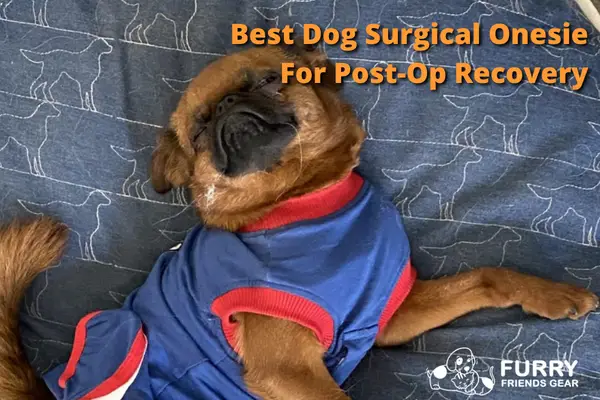
dog sleeping in surgical onesie

Best Dog Surgical Onesie for Post-Op Recovery FAQs:

Is It Okay to Wash A Post-Op Surgical Onesie?

In a word: yes.

The best way to determine this is to read the label to learn the specific washing instructions.

For the most part, these onesies are typically made of 100% pure cotton in many instances. Or, they might be part of a cotton/Lycra blend.

No matter which fabric you choose, just know that it’s certainly possible to wash these onesies in your regular washing machine.

But it’s better to be safe than sorry.

So please, remember to read the label before you put it in the washing machine. More than likely, there will be specific washing machine instructions for you to follow.

Is My Dog Going to Chew Apart His or Her Post Operation Onesie?

I don’t want to sugarcoat this by any means, so I will absolutely tell you the truth.

Depending on your dog, he or she may attempt to chew the onesie to pieces. This is especially true if your dog isn’t tolerating wearing one very well.

That doesn’t mean your dog will chew it to pieces though. He or she just might attempt to do it, but if you buy one made of strong material, it should easily withstand persistent biting.

At the same time…

It might be difficult for your dog to reach the material in the first place. In this case, your pup might try to tear it apart with its teeth, but it might be making the effort in vain.

Spend time looking at previous customer experiences on your favorite online retailer’s website. See if anyone had trouble with their dog chewing through a particular onesie.

How Can I Tell If a Snug Fit Post Op Surgical Onesie Is Too Tight?

As a dog owner whose pooch just had surgery, it’s always wise to choose a onesie with a snug fit. Why is that?

A snug fit will keep your dog away from the surgical incision. It will keep the area safe, protected, and in a strong position to heal quickly.

You definitely want your pooch wearing a snug-fit onesie whenever possible.

But how can you tell when a snug fit is much too snug?

Simply put, please pay close attention to your dog.

Is he or she having a difficult time walking? 

Does it seem like your pup finds it difficult to breathe?

Is its movement too restricted because of the snug fit onesie?

If you answered yes to any or all of these questions, then it’s possible the tight-fitting garment is a little too tight for your pup.

Try getting your pooch one with a looser fit and compare the two to see which one is the best.

https://www.furryfriendsgear.com/best-dog-surgical-onesie-for-post-op-recovery/?feed_id=301&_unique_id=6310c8ca26212

Best Cat Window Perches: Full Review Of Today’s Top Products

Cat owners can always agree on two constants: Cats love to soak up the sunshine while sitting in a window Cats love jumping up on hig...