Showing posts with label DogBeds. Show all posts

Thursday, August 4, 2022

What Size Dog Bed Do I Need? Tips & Sizing Chart Included

Are you looking for the perfect dog bed for your pooch? This could be difficult if you’re having a tough time figuring out dog bed sizing and all that it entails. I’ll tell you the right-sized dog bed to get for your dog, share a sizing chart, and other valuable information.

To find the best dog bed sizing for your pooch, measure your dog from the tip of its nose to the base of its tail. Next, measure your dog’s width from shoulder to shoulder and do so at the widest point. After you’ve completed the measurements, give your dog extra space to spread out by adding 6-12 extra inches.

Finding the best dog bed sizing doesn’t need to be a major hassle. But it could be if you aren’t paying attention or you refuse to measure your dog to learn the proper size.

Don’t worry because this doesn’t need to be an issue any longer. We’re about to share the best information possible for you to determine the right size via tips and a handy sizing chart.

I’ll share a basic sizing chart with dog’s bed sizes, dimensions, weight, and dog breeds right now.
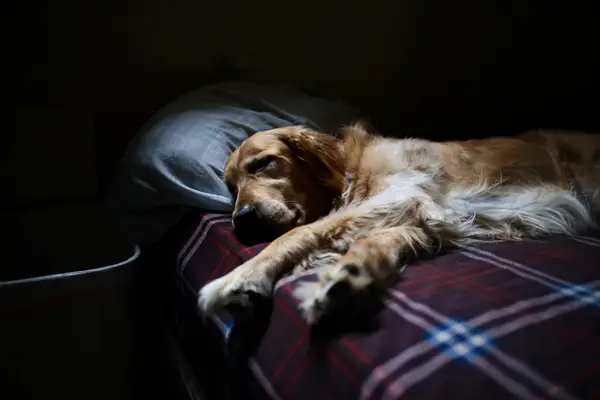
golden retriever sleeping on bed
Photo by Pexels on Pixabay.com

Related article: Top 10 Best Dog Beds, Our Complete Analysis

Dog Bed Sizing Guide

Dog Bed Sizes DimensionsWeightDog Breeds
Extra Small24” L x 18” W1-10 lbs.Chihuahua, Japanese Chin, Maltese, Papillon, Pomeranian, Yorkshire Terrier
Small30” L x 21” W11-25 lbs.Bichon Frise, Boston Terrier, Brussels Griffon, Dachshund, French Bulldog, Pug, Shih Tzu
Medium36” L x 24” W26-40 lbs.Beagle, Cocker Spaniel, Miniature Schnauzer, Scottish Terrier, Shetland Sheepdog
Large42” L x 28” W41-70 lbs.American Staffordshire Terrier, Basset Hound, Boxer, Collie, Shar-Pei, Welsh Corgi, Wheaten & Bull Terrier
Extra Large48” L x 30” W71-90 lbs.Airedale, Bloodhound, German Shepherd, Golden Retriever, Labrador Retriever, Rottweiler, Siberian Husky, Standard Poodle, Tibetan Mastiff, Weimaraner
XX Extra Large52” L x 32” W91-110 lbs.Alaskan Malamute, Bernese Mountain Dogs, Great Dane, Irish Wolfhound, Old English Bulldog, Newfoundland, St. Bernard

Best Bed Model: Choosing The Right Style Bed To Meet Your Dog’s Needs

Getting the right dog bed sizing measurements of your dog is certainly important and will go into that in greater detail below. But you also have to pick the right style bed to fulfill the needs of your favorite puppy or dog.

How so?

For starters, you have to think about your particular dog. Is your pup old and suffering from joint problems? Does he or she like to sleep on cool surfaces? Does your dog get cold during the winter?

Consider the following:

  • If your dog has joint problems, it would probably be best to get it a cushy and soft bed – something with a memory foam mattress would suffice.
  • If your dog likes to sleep on cool surfaces, for example, it would certainly benefit from a cooling dog bed, which would provide maximum comfort for your pooch.
  • If your dog likes to sleep on warm surfaces while getting snugly, a heated dog bed seems like the best possible choice for your pooch.

Sleep Position Preferences

Does your dog like to sleep in a particular position? Does it like to curl up in a round ball? Or maybe your dog likes to sprawl out and stretch?

Consider the following:

  • If your dog likes to sleep curled up in a ball, getting him or her a round dog bed would likely be an excellent choice.
  • If your small dog likes to feel secure and snuggled up tightly, a cozy cave bed would likely be the optimal choice for your canine.
  • If your dog loves to stretch out and get comfortable by sprawling on the ideal bed, you’ll need a much rectangular bigger bed for your favorite pooch.
  • If your dog doesn’t like laying on the floor, an elevated pet bed would make a big difference in whether or not your pup feels comfortable while sleeping or resting.

Determining Your Budget

I know we all love our pets and we would do anything for our dogs. But as we all know, money doesn’t grow on trees. Some people have to stick to a specific budget when buying a new pet bed for their senior dog, puppy, or anything in between.

So, before you fall in love with a particular dog bed that is way too expensive for your budget, you should determine the amount that you’re willing to spend ahead of time. Then you can focus on looking at dog beds in that specific price range and nothing more.

Keeping It Clean

Another aspect to consider when finding the best dog bed sizing for your furry friend is cleaning. Cleaning the dog bed can be a real chore or hassle if you happen to purchase one that is difficult to clean. Think about your dog in particular too. 

Does it normally have accidents that require cleanup? Is the pet bed going to be very difficult to clean if your dog were to have an accident?

Take the following into consideration:

  1. Choose a pet bed that has removable covers if your dog is prone to accidents.
  2. Make sure the covers and the rest of the pet bed are machines washable.
  3. Find the perfect dog bed that’s the right size for your furry friend but will also fit in your washing machine

Dog Bed Sizing: Measure Twice, Buy Once

Now that you’ve figured out the right bed style for your dog, it’s time to measure your mutt.

Ideally, the best tool for the job is to use a tape measure – a floppy tape measure is better than a metal tape measure. A yardstick would also work in a pinch as well.

This isn’t rocket science and you do not have to come up with perfect measurements to get this right. But the closer dog bed sizing measurements you can get, the better off your pooch will be. But if you aren’t perfectly accurate and you end up coming in an inch or two too small or too large, it won’t be the end of the world.

Okay, here’s how you should approach the dog bed sizing process and measurements. And don’t worry because it’s very simple:

  • When you begin measuring your dog, do so from the tip of its snout and measure all away back to the base of its tail.
  • Does your dog like to sprawl out? If so, try to measure your dog as if you’d measure a human laying on its back. Measure from the bottom of its paws all away up to the top of its head.
  • If measuring your pup while he or she is stretched out is too difficult to accomplish, just add on extra space as best you can. Eyeball the additional wiggle room you’ll need and add it to the overall amount. Make sure your dog has enough room to stretch out and get comfortable while sleeping.
  • Remember to write down all of your measurements and keep them on hand. You’ll need them when you begin shopping online to find the perfect dog pet bed for your favorite mangy mutt.
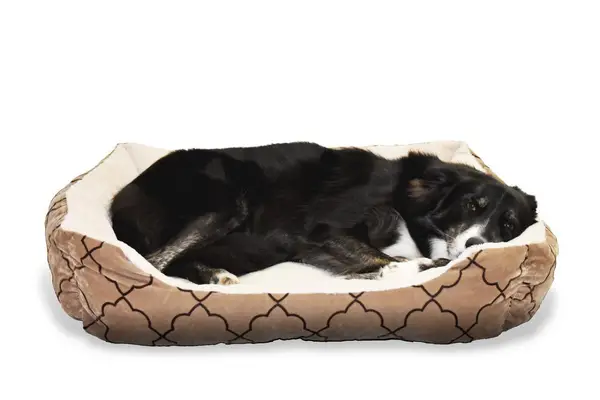
dog curled up in dog bed
Photo by 4109299 on Pixabay.com

Dog Bed Sizing Manufacturer’s Guidelines: Are They Helpful When Choosing A New Bed For My Pup?

Absolutely! You should never ignore the manufacturer’s dog bed sizing guidelines because they’ll share valuable information about proper sizing, material, bodyweight recommendations, and other important information as well.

Plus, the manufacturer might sell a specific type of pet bed that you’ll need for your particular pooch. I’m thinking about elevated pet beds as an example, which is more of a specialty item.

When you begin looking at dog bed sizing guides online, make sure to pay close attention to the product listing page and manufacturer specifications. Consider things like:

  • Body length
  • Type of material
  • Sizing recommendations
  • Dog breed examples per size
  • Sleeping patterns
  • Additional features
  • Other valuable information that they’ve shared
https://www.youtube.com/watch?v=Vcr-8aj1aaM

Other Pet Owners: Read The Thoughts And Information Shared by Other Dog Bed Owners

At this stage of the game, most online retailers allow customers to share their thoughts and feelings about a particular product right on the manufacturer’s listing page. This information is invaluable because it gives potential customers access to real-world thoughts and feelings about a particular product from more than one previous customer.

In particular, you should focus on customers that like to tell you about the specific pros and cons of how dog bed sizing positively or negatively helped them find a particular dog bed. They’ll tell you their favorite things about the specific dog bed and they’ll also share the stuff that they didn’t like about the dog bed as well.

This information is invaluable because it helps you get a true idea of how your furry friends will manage the performance of a certain dog bed.
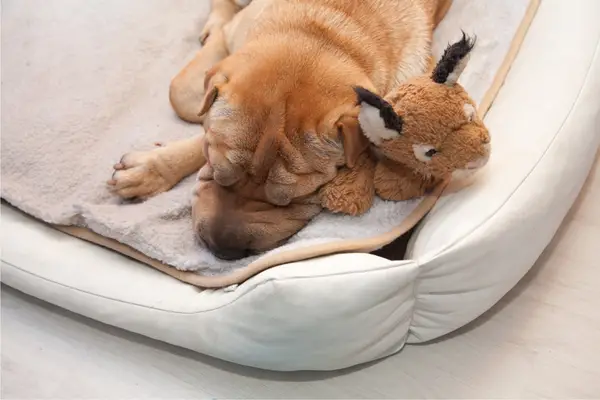
dog sleeping on dog bed with stuffed animal

The Last Word On Dog Bed Sizing Charts

Finding the right-sized dog bed is of the utmost importance for your favorite mangy mutt. This may seem like a massive chore on the surface, but it doesn’t have to be as long as you are willing to use the information that I shared today to your advantage.

At this point, I’d like to reiterate some of my best tips and ideas shared above for your benefit. Take a close look at a brief rundown of my favorite tips and use them to discover the ideal dog bed for your favorite puppy, older dogs, or average everyday pooch.

They include:

  • Consider the style of bed that would be ideal for your dog. Would your pup prefer a round dog bed, heated dog bed, cool dog bed, elevated dog bed, large rectangular dog bed, or another style?
  • Measure your dog from the tip of its nose to the base of its tail. Take stretching and sprawling out into consideration. Possibly add 6-12 inches or more to accommodate your dog’s favorite sleeping positions?
  • Does the dog bed you prefer fit within your budget? Consider ignoring the products that are outside of your budget to avoid the temptation, unless it’s the best choice for your dog’s comfort.
  • Is the dog bed easy to clean? Make sure it’s machine washable, has removable covers if your dog tends to have accidents and make sure it fits in your washing machine as well. If it doesn’t fit in your washing machine, take your machine washable dog bed and bring it to the laundromat when needed.
  • Always read the manufacturer’s guidelines. They provide handy tips and information that make it very easy for you to choose the perfect-sized dog bed to meet your pup’s needs.
  • Find out what other customers had to say about a particular dog bed. They have first-hand information that they are willing to share with you, so you might as well benefit from their experience and wisdom.

I hope you found this information helpful and informative. I’m glad that you stopped by to read this article. If you have other tips and information that you’d like us to add, please tell us your thoughts and ideas by leaving a comment below.

https://www.furryfriendsgear.com/dog-bed-sizing/?feed_id=241&_unique_id=62ebdc598bf56

Tuesday, August 2, 2022

Why Do Dogs Lick Their Beds? Is It Normal?

Have you ever wondered "Why do dogs lick their beds?" Is this a normal habit or is it something that I should be concerned about? Find out the answers to these questions and more below.

Dogs lick beds for a variety of reasons. It’s a natural way dogs discover the world by licking and smelling. More reasons include the scent on the bed, the taste of the bed if there’s food on it, stress, cleanliness, separation anxiety, hunger, boredom, or your pooch finds it comforting.

I know many dog owners are concerned when they see their pub licking the bed, but in all likelihood, there’s nothing to be worried about. On the other hand, it can be a sign of possible illness or anxiety, so it’s something to keep in mind.

Today, I’d like to answer the question “Why do dogs lick their beds?” It’s normal for this to happen in some cases, but it’s also a potential sign that your dog is ill. We’ll discuss all of the possibilities below.

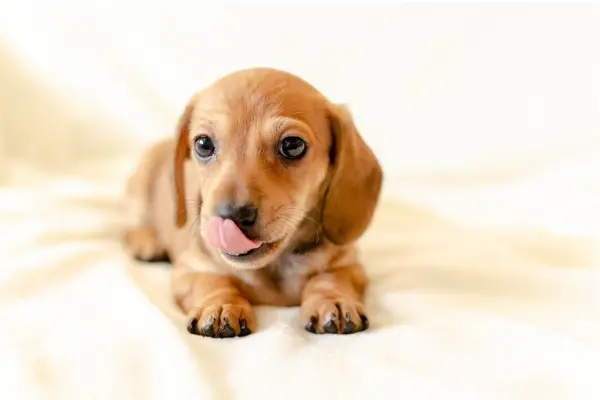
why do dogs lick their beds
Photo by Incredibull_Photos on Pixabay.com

The Biggest Reasons For Why Do Dogs Lick Their Beds

In a perfect world, I’d be able to provide one answer to "Why do dogs lick their beds?" But the world isn't perfect and your dog might be licking their bed for a wide variety of reasons.

To help you better understand why this might be happening, I’ll tell you several reasons why the dog is constantly licking the bed and performing compulsive grooming behavior. Just know that this excessive licking behavior could happen because of separation anxiety, pet craves, appetitive behavior, occasional stress, and other reasons.

Age-Related Bed Licking

Bed licking becomes a more prevalent problem as a dog's brain reaches old age. The dog’s tongue constantly licking the bed is an irritable behavior, yet it’s happening because your pup might be suffering from dementia or other age-related problems.

Is your dog beginning to show other signs of aging? Your dog may be becoming more disobedient, losing its appetite, sleeping more often, or responding more slowly when you call him or her when it’s time to eat.

There’s nothing to specifically worry about if this is happening because your dog is aging. It’s part of the natural aging process and it isn’t a sign of a more serious problem.

Behavior Imitation

Another possible reason is your dog learned to lick the bad while in the litter. It’s possible that your pooch saw his or her mother lick its mouth when it was hungry. 

Now, as your dog is getting older, it looks at licking as a sign of bonding. The dog itself or licking the bad old or maybe just licking the covers to bond with you or other possible dogs.

Separation Anxiety/OCD

Obsessive licking is a phenomenon that dogs experience. It often happens because they are going through some level of anxiety.

According to cuteness.com, “If you notice your dog constantly licking his bed, not just when he hops in to settle down, but often during active times too, OCD could be the underlying issue.”

Is it possible to treat excessive licking or obsessive bed licking? Two steps immediately come to mind that includes:

  1. Discover the underlying cause of the anxious behavior
  2. Seek medical treatment from a qualified vet =
  3. The best treatment might lead to giving your dog medication

Similar to OCD, separation anxiety is a psychological factor that may cause your dog to continuously lick the bad. This form of anxiety may begin when your dog is a puppy. But it also could start later throughout your dog’s life.

Ask yourself the following questions to determine if your dog is experiencing separation anxiety:

  • When does excessive licking take place?
  • Does your dog begin licking the bed right before you leave?
  • Does your pup start licking the covers when he or she knows you are about to exit the home?

Dogs lick excessively for several different reasons. Many of them use it as a method of self-soothing. Other dogs love to initiate this habit because repetitive licking releases endorphins.

Boredom

Does your pooch have a tough time being stimulated at home? When the stimulation is at a minimum, this can often lead to compulsive grooming and licking.

On the other hand, instead of compulsively licking and grooming itself, your dog could begin compulsive bed licking as an alternative manifestation.

The best way to keep your dog happy, seen, and free of boredom is to pay attention to your pup. Give it lots of attention throughout the day. Make sure your pet gets plenty of exercises so take it for multiple long walks during the day. And spend time with your pooch by hanging out with your puppy and petting it, loving it, and showing you how much you truly care.

Related article: Top 10 Best Dog Beds, Our Complete Analysis

Hunger

This should be fairly obvious, but your dog may start licking the covers, the bed, and everything else in the house if it’s hungry. It could be happening because your dog is trying to eat crumbs and other food particles from the carpet, the bedspread, or other potential sources.

Guess what? It may be time to start feeding your dog more if he or she is hungry this often. Consult your vet, explain the situation, and allow them to make a recommendation. You may need to change your food or change the amount of food that your dog eats each day to prevent appetitive licking due to boredom.

Cleaning

Does your dog often lick itself and clean itself while lying on the bed? If your pup begins to lick the bed, it very well might be happening because your dog meant to lick itself while cleaning and it licked the bed by accident.

Nobody likes sleeping on a bed filled with dog slobber. Yet, you want your dog to remain clean, healthy, and happy. Instead of worrying about your dog licking the bed, maybe you should train your pooch and only allow it to lay in its dog bed instead of laying all over your bed.

For The Love Of Licking

Finally, you just might happen to own a dog that likes to lick things. Some dogs just really enjoy licking anything that they can, including the bed.

Why? Well, remember that dogs like to lick things and sniff things to experience the world. Maybe they smell a sweet or salty scent on the bedspread and decide to lick it to further investigate what’s going on.

This may seem kind of gross to you, but it’s a normal and natural habit for dogs. So, if it doesn’t bother you that much, you shouldn’t make a big deal about your dog licking things like the bed unless you believe your dog might be getting sick.

dog licking nose under blanket
Photo by Alkhaine on Pixabay.com

Why Do Dogs Lick Their Beds, Medical 101: Could Be A Sign Of A Medical Condition

Unfortunately, the root of this problem might be much more serious than the simple explanations like your dog just enjoys licking things, or it likes to lick things because it gets to taste your scent.

In some instances, your dog might initiate too much licking if it’s suffering from a serious medical condition. But why do dogs lick their beds if it hurts them?

Gastrointestinal Distress

According to notabully.org, “Researchers have found that dogs who lick random surfaces are more likely to suffer from gastrointestinal problems. These problems could be caused, among other things, by internal parasites such as worms, irritable bowel syndrome, or your doggie could have ingested an inedible object.”

If your dog is licking because of an upset stomach, it’s best to bring them to the vet to treat the gastrointestinal discomfort. Once the discomfort is treated, likely, the obsessive bed licking will also be calmed down as well.

Pica

On PetMD.com, Dr. Kelly Black tells us that “Pica is a condition in which dogs crave and eat non-food items. Some dogs may only eat one type of object, while others will eat a wide variety of items. Pica can endanger a dog’s health because what they swallow may be toxic, disrupt the normal digestive process, or get lodged in their intestinal tract.”

Based on that description, you should treat Pica like a serious issue. Dogs with this condition could eat just about anything. In some cases, you might find your dog chewing on drywall. In another situation, the dog might attempt to eat golf balls. They also like to eat clothing items including pantyhose, underwear, and socks along with washcloths and towels.

To determine if your dog has an underlying medical issue, you’ll likely need to bring it to the veterinarian. While there, your vet will ask to take a stool, urine, and blood sample as well as run other tests to look for parasites, digestion and malabsorption problems, and other potential conditions. Hopefully, these two reasons will help you understand the question "Why do dogs lick their beds?"

https://www.youtube.com/watch?v=ZmJ4azFw61c

The Final Word On Why Do Dogs Lick Their Beds

Determining the answer to "Why do dogs lick their beds?" can be challenging at best. At other times, it can be incredibly frustrating, to say the least. Just know that in many instances this is normal behavior because it just might be part of your dog’s personality.

On the other hand, it can also be a sign that your dog is suffering from some type of medical malady or unwanted health condition. It’s best to try and narrow down the reason or reasons why your dog might be dealing with this problem.

Some things to consider include:

  • Boredom – your dog might lick itself because repetitive licking releases endorphins and this will help to kill the boredom that it experiences due to being understimulated. It’s also possible that the mutt is seeking attention.
  • Separation Anxiety/OCD – your dog could be suffering from separation anxiety or obsessive-compulsive disorder. Regular walks and exercise will help your mutt minimize anxiety.
  • Old age – at times, dogs will begin licking the bed and other objects due to old age and dementia. Let nature run its course and accept this fact of life.
  • Hunger – it’s possible that your dog is licking excessively because it’s hungry. Maybe it likes a particular scent on your bed. Try feeding your dog more often to eliminate the problem.
  • Cleanliness – it’s possible that your dog isn't licking the bed. If it cleans itself on the bed, it may just accidentally lick the bed instead of licking itself.
  • Medical Conditions – occasionally, dogs will lick themselves because of gastrointestinal issues and pica. Talk to a veterinarian about potential treatments for the underlying medical condition.
  • Joy – some dogs love to lick furniture, themselves, the bedspread, humans, and animals as well. Your canine may find joy in this behavior.
  • Imitation – your furry friend may have picked up the habit of licking while spending time with other puppies after being born. Or maybe its mother would lick around its mouth during feeding time. Your furball may be imitating another animal.

I’m glad that you found your way here and I hope this information was informative and answered your questions. If you have something important that you’d like us to share, feel free to let us know about it in the comments.

https://www.furryfriendsgear.com/why-do-dogs-lick-their-beds/?feed_id=236&_unique_id=62e98e929c22b

How to Clean A Dog Bed Without A Removable Cover, Must Read Tips For Dog Owners

Knowing how to clean a dog bed without a removable cover seems like a daunting process. Don’t worry because it doesn’t have to be. I’ll tell you how to clean a cover list dog bed even if it isn’t machine washable and much more below.

Washing a dog bed without a removable cover requires a few steps. First, vacuum the bed. Second, spot cleans any stains. Third, soak the bed in warm and soapy water for 15 minutes. Fourth, use baking soda to scrub the bed. Fifth, thoroughly rinse the bed. Finally, wring out the bed and let it dry.

There’s no need to complicate the cleaning process. Just follow the simple instructions mentioned above and you’ll have no trouble getting your dog bed clean. This is true even if it doesn’t have removable covers.

In some situations, you may find that a dog bed isn’t machine washable. In other cases, it will be machine washable. I’ll share a few ways to clean a dog bed without a removable cover in greater detail below.

dog with tongue out under blanket
Photo by Alkhaine on Pixabay.com

Related article: Top 10 Best Dog Beds, Our Complete Analysis

How to Clean A Dog Bed Without A Removable Cover: Step-By-Step Guide

Some people find it difficult and confusing to properly clean dog bedding without having a step-by-step process to follow. I want to help the confusion by sharing my 6-step process with you today.

These steps will put an end to all of your confusion once and for all. They include taking the following actions:

Step #1: Vacuum The Dog’s Bed

According to petlife.com, “Before you proceed with cleaning items like water or detergents, it’s necessary to eliminate all dog hair and dirt in the bed. Even if you have washable dog beds, it helps to vacuum them before any wet treatments.”

This should be obvious on the surface, but many people fail to properly vacuum off their pet hair before washing dog beds. If you were to put the dog bed in the washing machine or soak it in a large tub without removing the dog hair, it would leave behind nasty clumps of dog fur that become a lot more difficult to clean up after they are wet.

If you don’t have a vacuum, you can always try using a lint roller. A lint roller will remove a decent amount of dog hair, which is great because it isn’t easy to shake out a dog bed when it doesn’t have a removable cover.

So, take a dust buster or your favorite handheld vacuum and give the dog’s bed a thorough cleaning. You also should know that you could use a regular vacuum on the dog’s bed if you do not have a handheld version. Either of these will work to remove and eliminate unwanted pet fur and get the dog’s bed clean and free of hair before you can begin a proper and thorough washing.

Step #2: Clean Stains With A Stain Remover

Next, it’s time to start working on eliminating the stains left behind by your dog. This doesn’t need to be difficult to accomplish. You can use homemade stain cleaners and other store-bought products to attempt to eliminate the stains.

Most dog beds are loaded with pet odor. Always follow the washing instructions to get the bed clean. Before it is machine washed, you can remove all the stains by using Spray N Wash, stain stick, or some type of mild detergent along with other wet treatments to clean the sleeping surface. This will eliminate unwanted stains and make life much better for your furry friend by improving your dog’s health.

I tend to recommend using Spray N Wash products. They can dig into the crime and pet stains that are left behind. Just spray it on the dog bed and remember to sprinkle a few drops anywhere that you find difficult to eliminate the stain.

Step #3: Soak Your Pet’s Bed In Warm & Soapy Water

According to simplymade.com.au, “Much like a washing machine (without the tossing around), soaking your dog’s bed in warm, soapy water can kill bacteria and tackle dirt effectively.”

The soaking step is very important when cleaning your dog’s bed. By soaking it in warm water, you are thoroughly sucking a lot of the dirt, grime, and dust that has accumulated in the dog bed. If you soak it long enough, you should see black and dirty water left behind after you finally remove the pet’s bed from the soapy warm water.

I have another trick that I like to use while I’m soaking the bed as well. I like to add apple cider vinegar or white vinegar to the water while it is soaking. 

Why? It eliminates odors, so apple cider vinegar or white vinegar are great substances to add to get rid of the foul odors left behind that seem stuck in your pet’s bed. This solution will get rid of the stink and make it smell nice and fresh once again.

Knowing how to clean a dog bed without a removable cover with just these 3 steps makes a huge difference! We're halfway done so keep reading for the last 3 steps.

dog sitting with pillows and blankets in a forest
Photo by igorovsyannykov on Pixabay.com

Related article: How To Wash A Dog Bed, A Step By Step Guide

Step #4: Use Baking Soda To Scrub The Dog Bed

In order to know how to clean a dog bed without a removable cover, you should remove the pet bed from the basin that it’s been soaking in, you need to begin scrubbing down the entire thing from top to bottom with baking soda. The easiest way is to dip your brush into water and then cover it in baking soda before you begin scrubbing down the dog beds. 

Some simple steps to follow include:

  • Dip the pet brush in warm or hot water
  • Cover the damp brush with a generous amount of baking soda
  • Scrub the brush across the dog bed as thoroughly as possible, really cutting in there to eliminate dirt and grime
  • Baking soda is great at neutralizing strong odors like dog bed smells and other unwanted scents, so it’s best to scrub this down as thoroughly as possible
  • Take it to the brush and use it to scrub the hard-to-reach places with baking soda, which ensures you’ll eliminate all potential areas that would emanate unwanted odors

Step #5: Thoroughly Rinse The Dogs Bed Without A Removable Cover

At this stage, it’s time to thoroughly rinse the pet bed to make sure you remove all traces of detergent whether you used mild or natural cleaners.

Why is this so important? Unfortunately, some dogs seem to suffer from allergic reactions to specific ingredients and people aren’t even always aware of it. That’s why it’s important to rinse the dog bed as much as you possibly can.

Take the bed and fold it over as much as possible so you can ring out the detergent and other cleaning solutions. Need the bed and push out every ounce of detergent that your strength will allow.

Now I’d like you to soak the bed in fresh water one more time. Soak it for another 15 minutes and then take it out of the basin, wring it out again, and remove as much water and detergent as you can get out of the bed.

Step #6: Wring Out And Dry Your Dog Bed

I understand that you squeezed as much of the water out of the bed as you could in the previous step, but I was hoping you could do it one more time. In this particular case though, I’m trying to help you dry the bed even faster, which is why you should wring it out once again.

After you’ve finished, you’ll have a fresh and clean dog bed on your hands. Place it outside and put it directly in the sunlight. This will dry it quickly and also give it a fresh and clean scent as it soaks up the sun and the outdoor air.

https://www.youtube.com/watch?v=IS93KUFGyB4

How To Clean A Dog Bed Without A Removable Cover: Is It Safe To Wash In A Washing Machine?

The answer to this question is yes and no. It’s going to be safe to wash a dog bed in a washing machine when the manufacturer’s instructions tell you that it’s safe. 

In other instances, the instructions are going to tell you that you should not wash the bed in a washing machine because it could potentially damage it. You need to read the instructions and make the determination yourself.

If it is machine washable, then your job has become a whole lot easier. Follow the instructions on the label and set your washing machine according to the manufacturer's wishes. 

More than likely, you’ll have to wash the dog bed in warm water, so you’ll have to put your washing machine on the warm water cycle. 

Again, it’s best to read the label and follow the instructions provided by the manufacturer. Do this instead of attempting to guess the best way to set the machine to the proper cleaning and rinsing cycle.

curled up dog sleeping in green dog bed
Photo by mattycoulton on Pixabay.com

The Bottom Line On How To Clean A Dog Bed Without A Removable Cover

Knowing how to clean a dog bed without a removable cover is really important! Washing a dog bed without a removable cover is harder than washing one with a cover. But it isn’t impossible and it will not kill you put in a little elbow grease from time to time.

My best steps for how to clean a dog bed without a removable cover include:

  1. Vacuuming the bed first to remove excess pet hair
  2. Spot clean the cushion to eliminate unwanted stains
  3. Soak the pet’s bed in warm and soapy water – use mild chemical-free detergent
  4. Use baking soda to scrub the bed and get rid of unwanted odors
  5. Rinse the bed as thoroughly as possible. Soak it again and rinse it one more time
  6. Wring out the bed and get rid of as much water as you can and put it in the yard to dry in direct sunlight

If you follow these instructions, you will succeed at cleaning your dog’s bed. Have any other tips you’d like to share with us on how to clean a dog bed without a removable cover? Feel free to tell us your best tips by sharing them in the comments!

https://www.furryfriendsgear.com/how-to-clean-a-dog-bed-without-a-removable-cover/?feed_id=231&_unique_id=62e93bdc5a882

Best Cat Window Perches: Full Review Of Today’s Top Products

Cat owners can always agree on two constants: Cats love to soak up the sunshine while sitting in a window Cats love jumping up on hig...